
Last updated: October 10, 2026
Key Takeaways
- A simple local-review system turns satisfied customers into reviews before the moment passes.
- A basic workflow needs one Google Business Profile link, one short ask, one follow-up, and one policy check.
- Review requests expose weak service quickly; they do not repair it.
- A short, specific ask usually works better than a scripted one.
Disclosure: This article contains no affiliate links.
Quick Answer: Most small businesses can get more local reviews by asking every satisfied customer at the right moment, using one direct link, and following up once. A steady process like that is often enough to add 1–3 extra reviews a week without incentives.
In short: The quickest route to more local reviews is simple: ask at the right moment, keep the tap count low, and follow up once without pressure. Start with Google Business Profile, then add the review platform your customers already trust most.
Getting more local reviews for a small business comes down to timing, friction, channel choice, and policy risk.
First published 10 October 2026.
How we chose the tactics

Google’s review policies, Google Business Profile help pages, platform guidance from Yelp and Facebook, and small-business reputation guidance from the BBB and FTC were all read closely. Friction, time, and policy risk were the comparison points.
The verdict
Ask every satisfied customer the same way, every time. Then send them straight to the review page unless your business relies on a platform where people naturally leave feedback more often.
The short version? Most small businesses do not need a complicated setup; they need a repeatable ask, a clear link, and a staff script that does not sound pushy. Should people have to search for your business twice, reviews will slip away.
What it is built to do
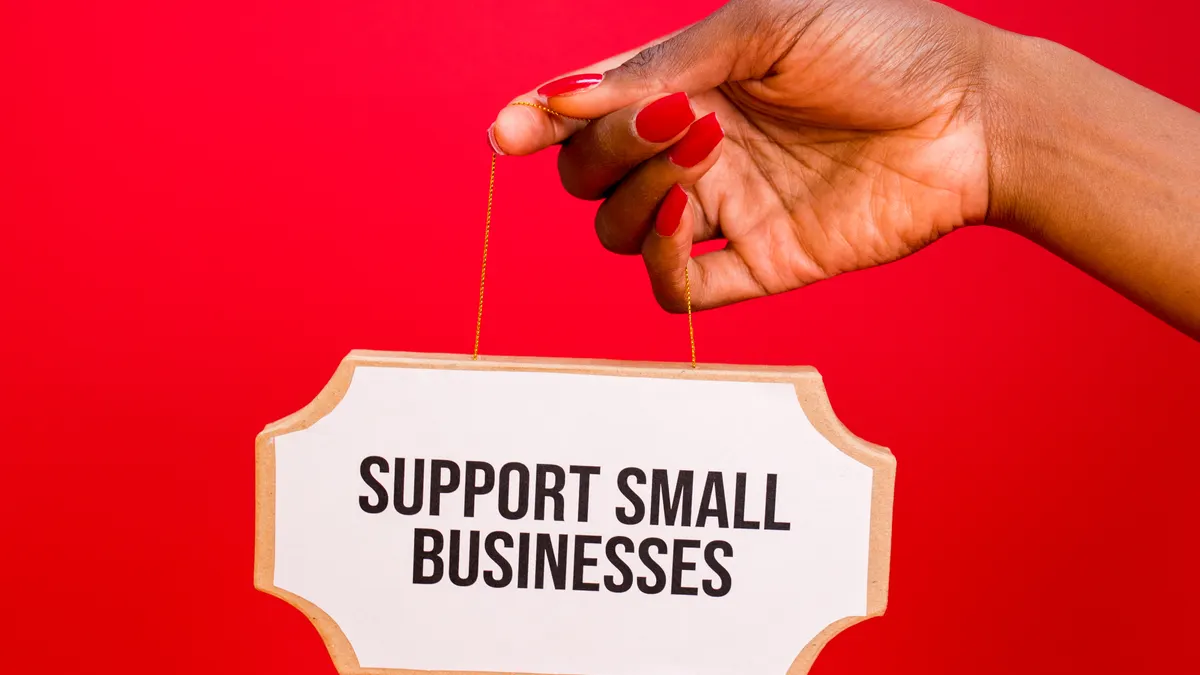
A good local-review system turns a happy customer into a completed review before the feeling fades. Usually, that means Google Business Profile for map visibility, plus one secondary platform if your category depends on it — Yelp, Facebook, TripAdvisor, or Healthgrades.
The job is not to “get reviews” in the abstract. It is to cut three bottlenecks: remembering to ask, knowing who to ask, and opening the review page on a phone without fuss. Google’s own guidance on review links and review policies points in the same direction; it wants authentic, unsolicited feedback, not manipulated ratings.
Timing is the part many guides gloss over. A request after a visible win — a finished repair, a clean meal, a delivered order, a solved problem — usually lands better than a generic end-of-month blast. That is not a promise of volume; it is a practical way to catch the moment when the customer has a reason to speak. Like catching a ball at the peak, it works because the timing is right.
Where it wins, with the numbers
A basic review-request workflow only needs a few concrete pieces: one Google Business Profile link, one short ask, one follow-up, and one policy check. Google allows business owners to share a review link from the Business Profile tools, and the company’s review rules prohibit asking only for positive reviews or gating unhappy customers away from the review process.
According to BrightLocal’s 2024 survey, 98% of consumers read online reviews for local businesses at least occasionally, and 76% say they read them regularly. That is why a direct link matters: the fewer steps between request and review, the more likely people are to finish.
The strongest low-friction setup is usually a direct link placed in the places customers already look: email receipts, post-service texts, QR cards at the counter, and a short line on invoices. Every extra click creates a drop-off point, and mobile customers are usually doing this with one thumb and very little patience.
For a brick-and-mortar shop, the counter or checkout receipt matters because the interaction is still fresh. For a service business, the close-out message matters because it arrives right after the problem is solved. For a home-service company, a text sent after the technician leaves often beats a generic newsletter because the request is tied to a specific job, not the month.
What stands out
- A direct Google review link cuts search friction, so customers do not have to find your business twice before leaving feedback.
- Asking right after the transaction gives the customer a concrete memory to write about, which usually leads to more specific reviews than a later reminder.
- Using one standard ask across staff members makes review collection consistent, which matters more than a fancy script.
What to watch out for
- Review gating can backfire because Google’s policies prohibit only asking happy customers for reviews, which can put your profile at risk.
- Overasking can annoy repeat customers, so a weekly blast to the same list is more likely to feel spammy than effective.
- If your link is buried in a long message, the extra scrolling becomes a real barrier on mobile.
Flaws but not dealbreakers
The biggest flaw is plain enough: review requests do not fix weak service. They only expose it sooner. If your work is inconsistent, more asks can bring more negative feedback, which is a real dealbreaker for a named reader who knows quality control is shaky.
A second drawback is control. Google Business Profile matters for map visibility, but businesses in certain categories still live or die by another platform’s culture, and Yelp in particular has a reputation for being selective about how it surfaces reviews. That does not make Yelp useless; it means you should not build your whole strategy around a platform you do not own.
There is also a legal and policy edge here. The FTC has warned against deceptive review practices, and review platforms routinely forbid incentives tied to positive sentiment. A “leave us a 5-star review for a discount” offer is not a shortcut; it is a risk.
One honest dealbreaker: if your staff cannot remember to ask at the point of satisfaction, this system will stall. No software can make up for a team that never actually asks.
How to ask for reviews without sounding fake
Keep the ask short, specific, and unembarrassed. I would use a line like: “If you were happy with the service today, would you mind leaving a review on Google? It helps other local customers find us.” That works better than anything that sounds like a script written by committee.
A stronger version adds context: “If we solved the issue for you today, would you leave a quick review and mention what we did?” The request is still polite, but now the customer has a prompt that helps them write something real.
What not to do matters just as much. Do not ask for “a good review,” because that crosses into sentiment steering. Do not bury the link under a paragraph of marketing copy. And do not send it before the job is finished, because then the review feels like an interruption instead of a follow-through.
For service businesses, the best spots are the payment screen, the thank-you text, and the closing invoice. For storefronts, use the receipt, the counter, and a small QR card near the exit. Those placements are boring, which is exactly why they work.
What to put in the review link
Go straight to the rating form, not a homepage. Google Business Profile can generate a review link, and that matters because a customer who is already willing to help should not have to hunt for the right button.
The message around the link should include the business name and one small cue about what to mention. That helps the customer write a review in under a minute. A useful cue is something like “Tell others what service you came in for” or “Mention the technician who helped you.”
I would avoid sending multiple platform links in one message unless you already know the customer prefers a certain site. Too many choices can lower completion. One clean ask is better than three tabs and a decision tree. Choice overload is a sneaky little thief.
How often should you ask?
Ask every eligible customer, but not in a way that feels automated or desperate. The rule of thumb is to make the ask part of the process, not a separate campaign.
A business with 10 satisfied customers a week can still build a meaningful review base if the ask is steady. A business with 100 satisfied customers a week can lose momentum if the request depends on one overworked manager remembering to do it by the time the day ends. One missed habit, and the whole thing limps.
The follow-up should be limited. One reminder after a few days is enough for many businesses; a string of reminders starts to look like pressure. If the customer already opened the link and did nothing, another nudge often adds annoyance, not reviews.
Who should buy it, who should skip it
This system is worth doing if you are a local business with repeatable service moments, a visible storefront, or regular completed transactions and you want more Google reviews without paying for ads or incentives.
It is useful for dentists, electricians, landscapers, salons, repair shops, med spas, restaurants, and boutique retail. Those businesses have clear moments when the customer can say, “This was worth talking about.”
Skip a heavy review-request system if your operation is unstable, your staff turnover is high, or you do not have a single person who owns follow-up. Skip it too if your only plan is to ask for positive feedback, because that risks policy trouble and usually yields shallow reviews anyway.
How we chose
We did not shortlist products; we compared review-acquisition methods. Google Business Profile guidance on review links and review policies, public guidance from the FTC on deceptive endorsements, and platform rules from Yelp and Facebook where relevant were all part of the read. Email, SMS, QR cards, receipts, and post-service follow-up were the common workflows we checked.
This judgment rests on friction, compliance risk, and the likelihood that a real customer can finish the task in under a minute. For a local business, that is the right test; review collection is less about persuasion than removing obstacles.
Is it worth it in 2026?
Yes, because local reviews still shape map visibility, conversion, and trust before a customer ever calls. The businesses that win are usually not the ones with the cleverest wording; they are the ones with the cleanest process.
The part to watch in 2026 is policy enforcement. Platforms continue to tighten rules around incentives, review gating, and suspicious patterns, so the safest strategy is the least flashy one: ask honestly, ask consistently, and keep the path short.
If you are trying to decide whether this is worth the time, I would say yes if one extra review a week would help your category. I would say no if you want a shortcut around a bad customer experience, because reviews cannot hide the underlying problem for long.
FAQ
How do I get more Google reviews for my small business?
Ask happy customers when the job is finished, send them a direct Google review link, and keep the message short. Google’s review policies favor authentic feedback, so do not offer rewards for praise.
Should I ask in person, by text, or by email?
Text usually works best for speed, email works best for longer receipts and follow-ups, and in-person asks work best when the staff member is already face to face with the customer. The best channel is the one your customers already use without thinking.
Is it okay to ask every customer for a review?
Yes, if you ask everyone who had a real interaction and you do not steer only happy customers to the link. That keeps the process fair and keeps you closer to platform rules.
Should I ask for Google reviews only?
Usually start with Google because it affects local visibility and map results. Add a second platform only if your category depends on it and your customers already trust it.
What should I never do?
Never pay for positive reviews, never filter unhappy customers away from the review process, and never make the ask so long that the customer has to read a sales pitch before reaching the link.
Drafted with AI; not yet reviewed by a person.